Training and Capacity Building of Indigenous Bee Farmers in Kenya
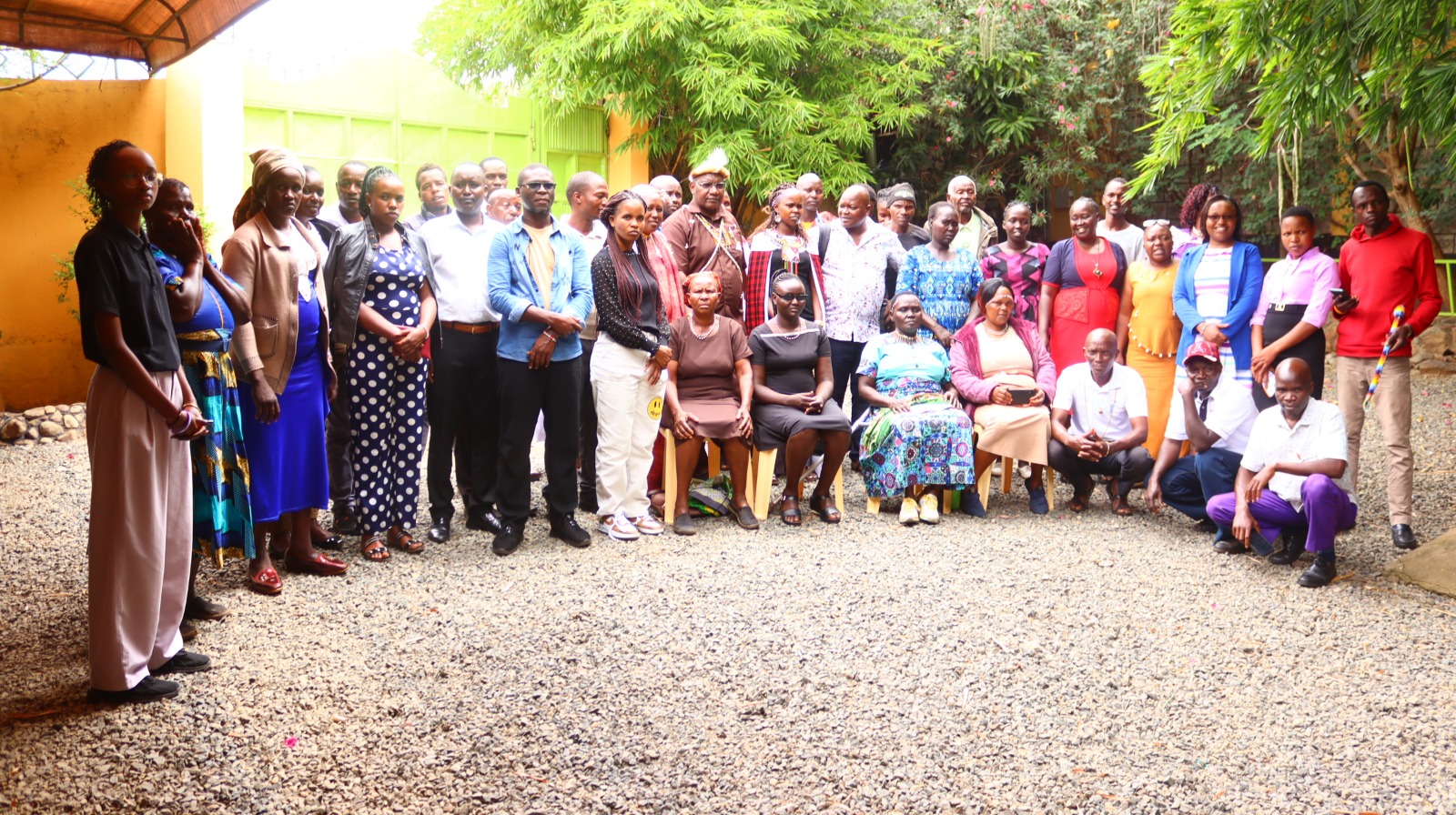
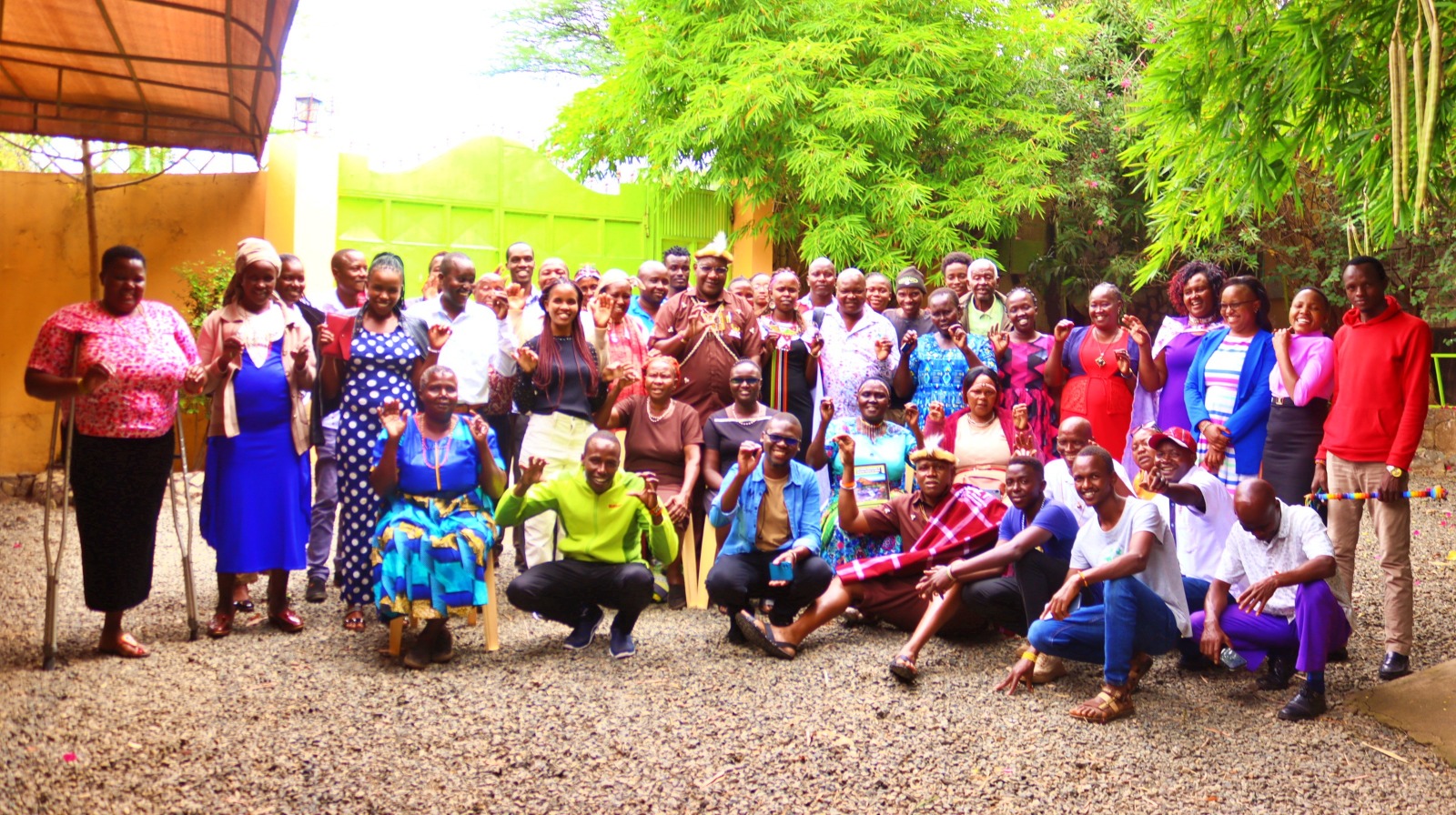
From 17th to 19th August 2025, indigenous farmers, trainers, and community leaders gathered at Marigat in Baringo County for a transformative event, the Training and Capacity Building of Indigenous Bee Farmers in Kenya.
The workshop was organized by the Endorois Indigenous Women Empowerment Network (EIWEN), in collaboration with three other indigenous partners, YLT, SALT and LPA . The venue, provided the perfect setting for learning, sharing, and exchanging ideas on how to strengthen indigenous beekeeping practices.
Why This Training Was Important
For many indigenous communities in Kenya, beekeeping is more than an economic activity, it is a tradition, a source of food and medicine, and an important contributor to environmental sustainability. Yet, in recent years, farmers have faced increasing challenges such as:
– Declining honey yields due to climate change.
– Threats from pests and bee diseases.
– Limited access to modern equipment and techniques.
– Difficulty in accessing larger markets for honey and related products.
This training was therefore designed to bridge the gap between traditional knowledge and modern beekeeping skills while ensuring that indigenous communities can continue to thrive through sustainable practices.
What Happened During the Training?
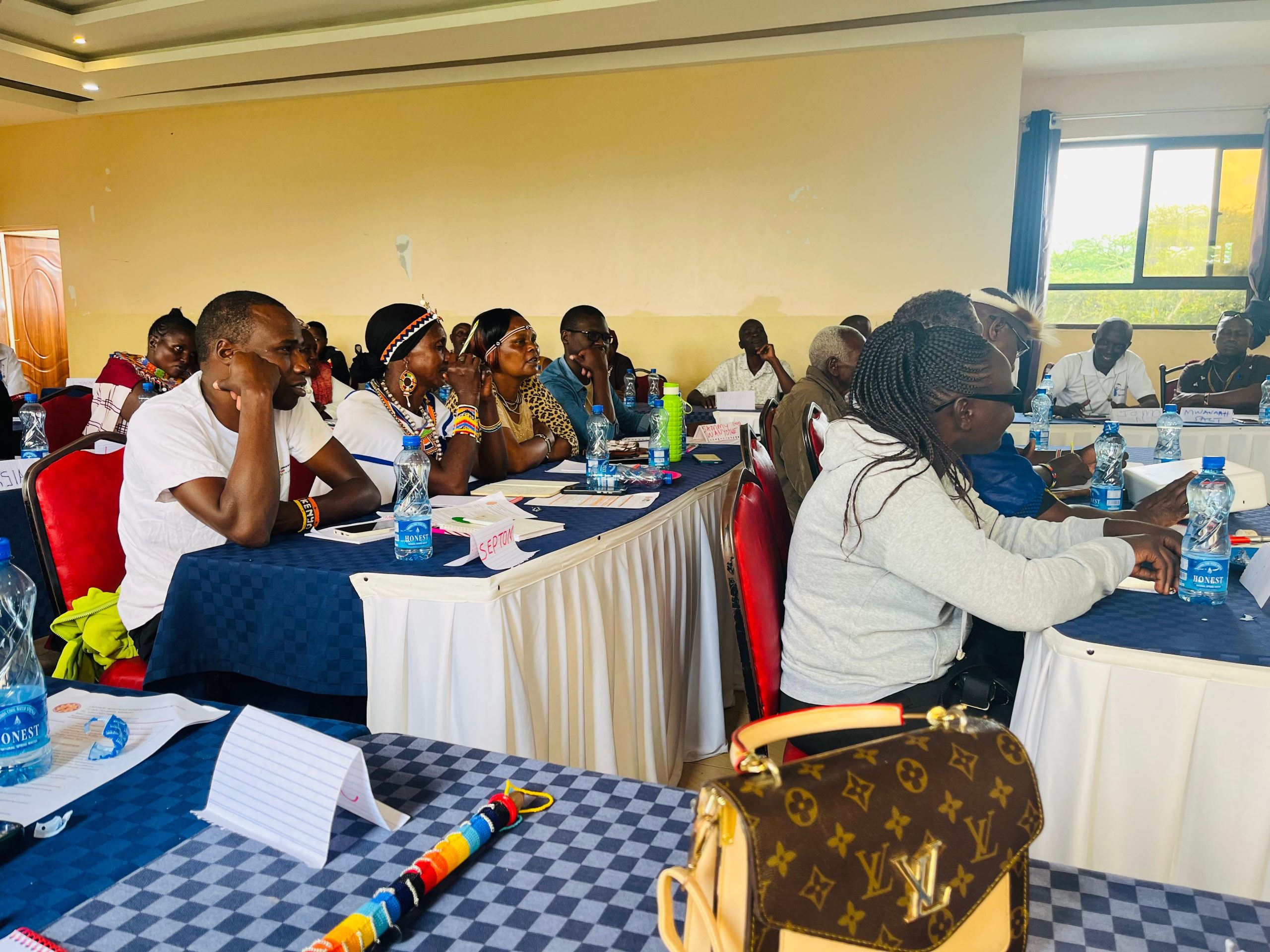
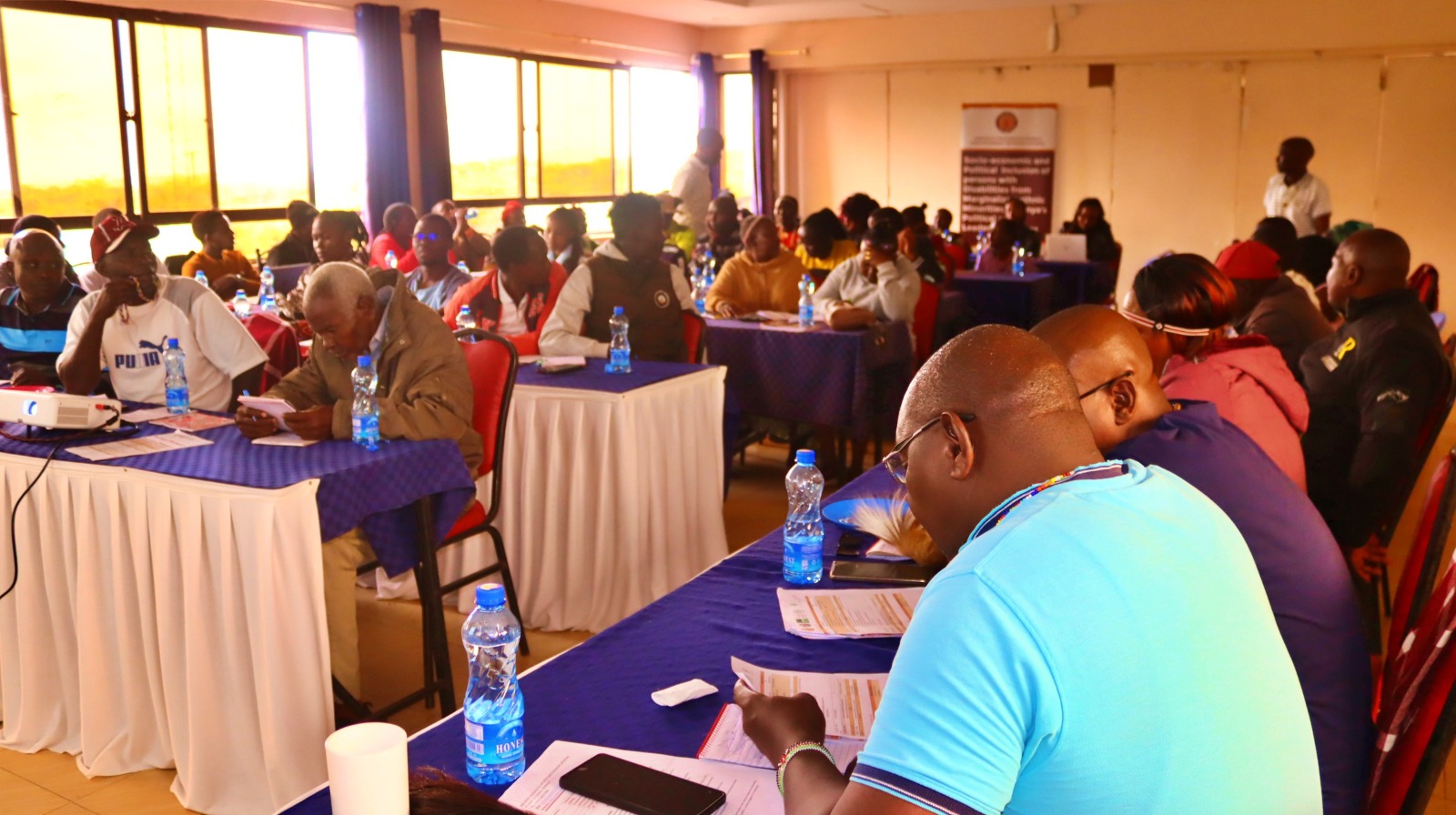
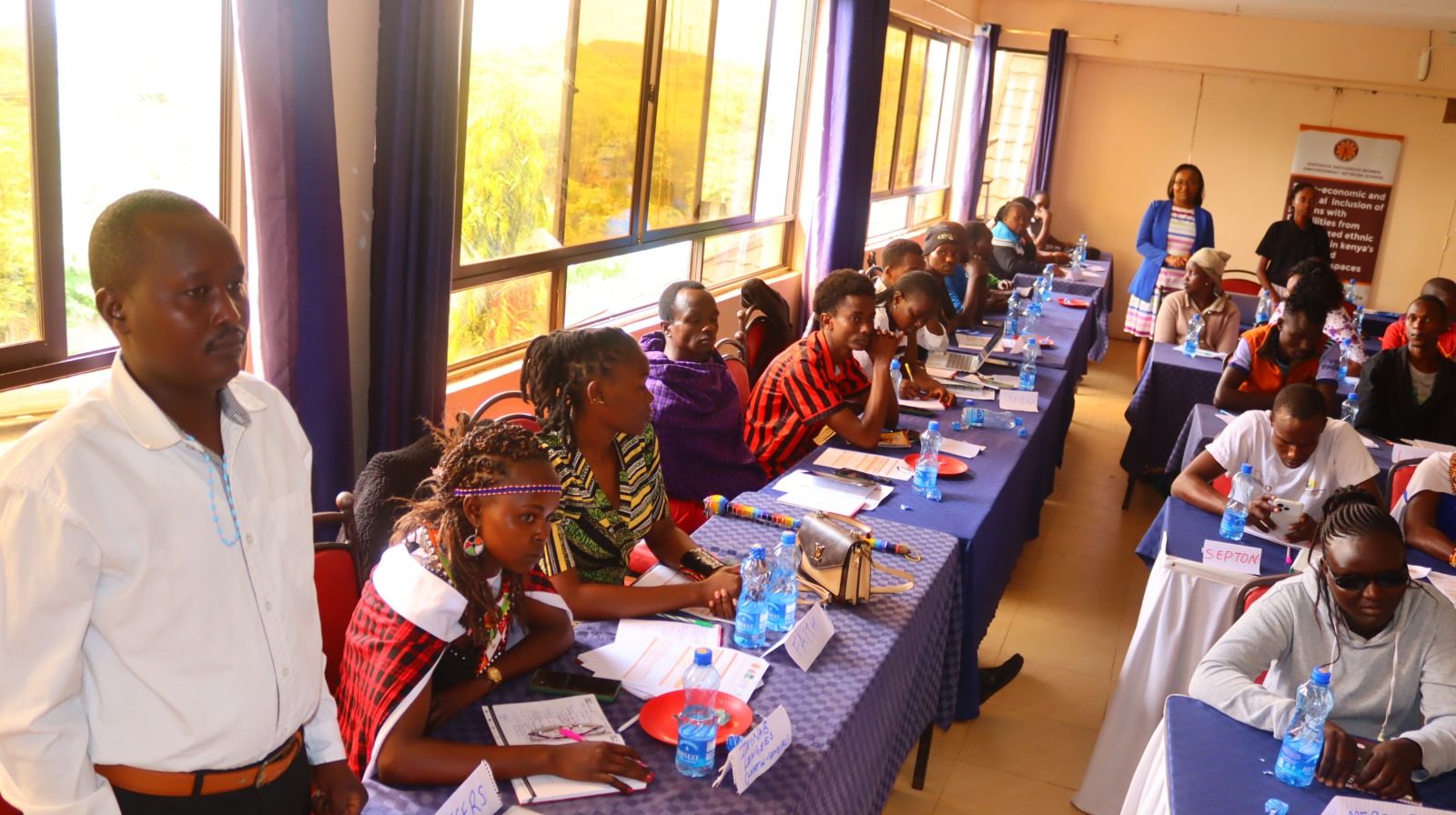
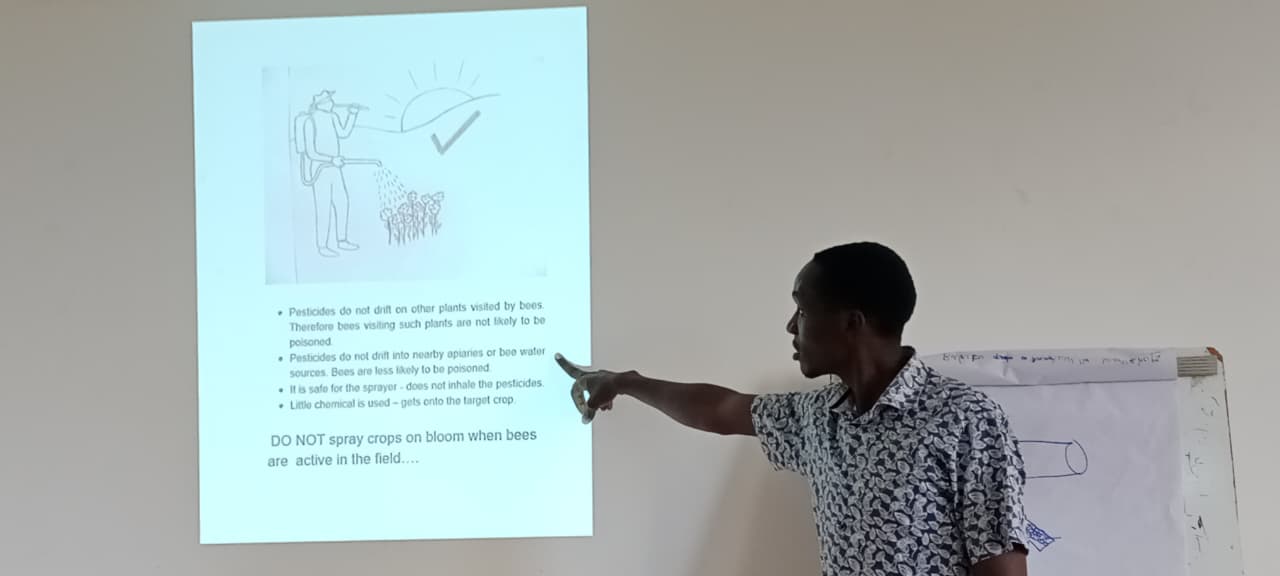
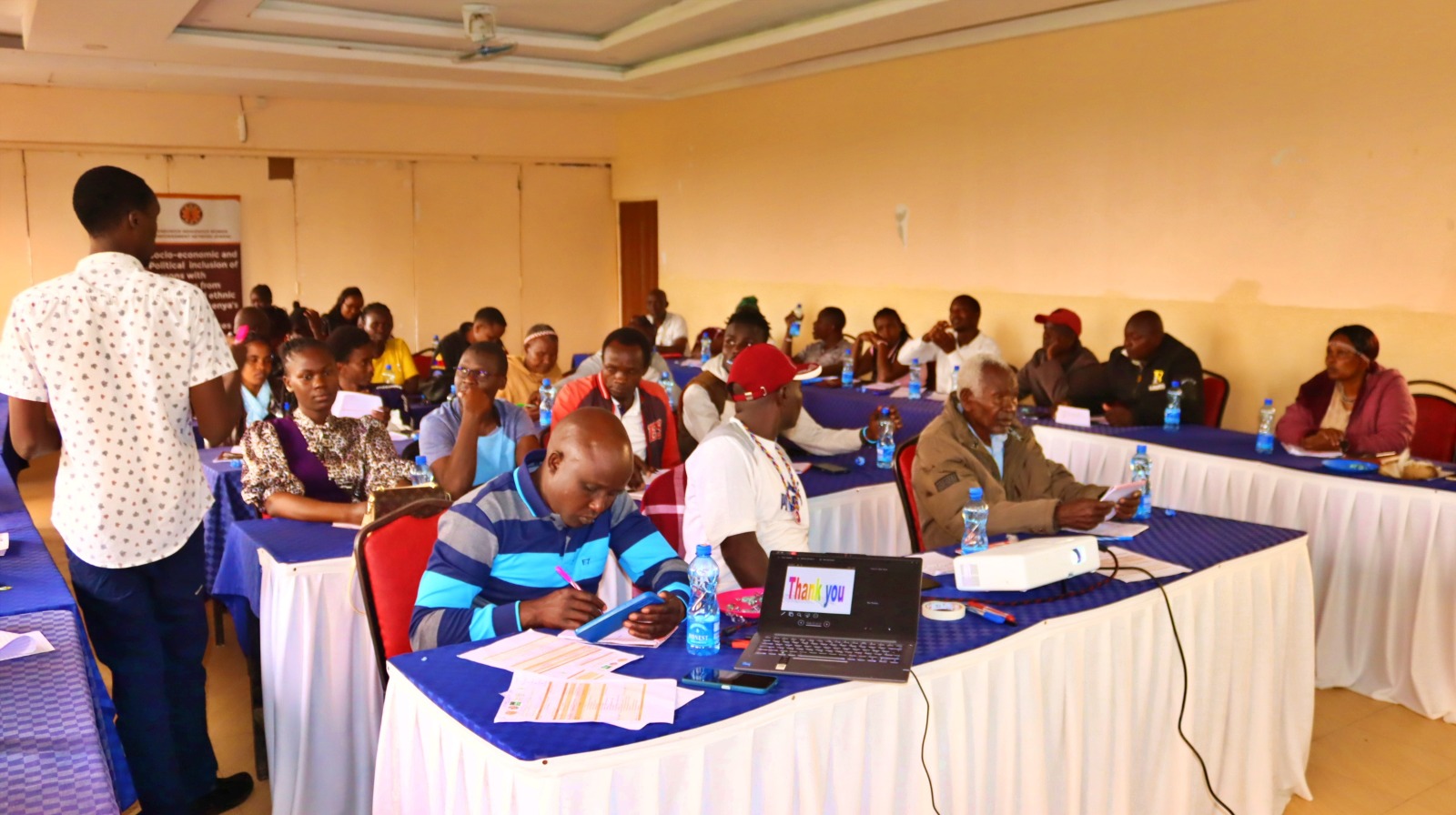
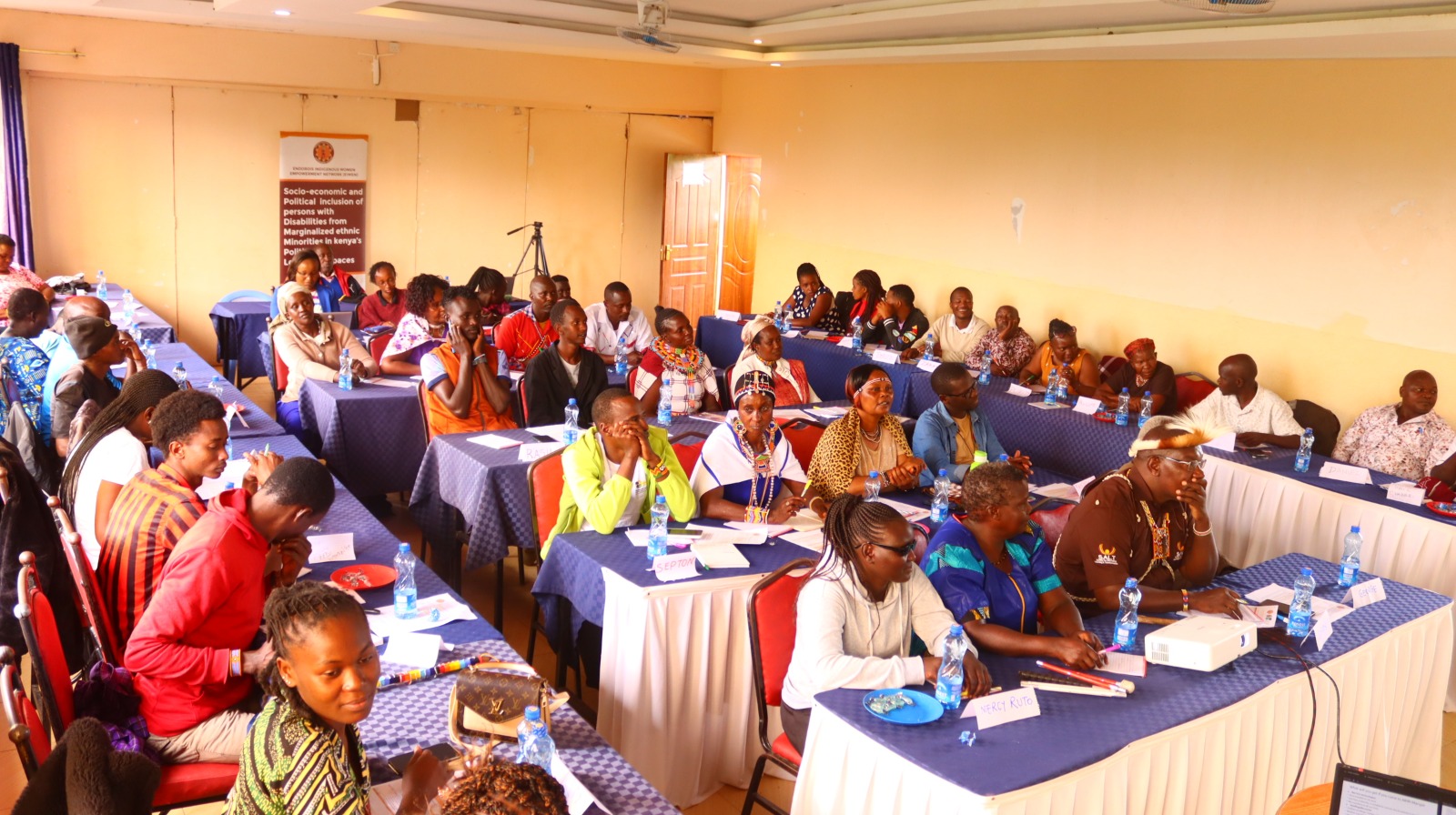
The two-day program was a mix of interactive sessions, hands-on demonstrations, and experience sharing. The sessions were facilitated by an expert trainer from the Kenya Agricultural and Livestock Research Organization (KALRO), who brought in-depth technical knowledge and practical guidance to the participants.
Farmers had the opportunity to learn about:
Hive Management- Maintaining, and monitoring beehives to keep colonies strong and productive.
Bee Health & Disease Control- Identifying common pests and diseases and learning safe, practical control measures.
Honey Harvesting & Processing-Best practices for harvesting honey without contamination, ensuring high quality and safety.
Value Addition & Marketing- Exploring ways to package and brand honey products, as well as diversify into products like beeswax candles, creams, and propolis.
Participants also got engaged in open discussions where they shared indigenous knowledge, local innovations, and challenges faced in their daily bee farming activities. This blend of traditional wisdom with modern science created a rich learning atmosphere.
Voices and Reflections
Community representatives and trainers emphasized that beekeeping has the potential to lift many households out of poverty if supported with the right skills and tools. The Endorois Indigenous Women Empowerment Network also highlighted the importance of women’s involvement in bee farming, noting that empowering women in this sector contributes to stronger community resilience.
Farmers expressed their excitement about the training, with many pledging to take the knowledge back to their communities to improve honey production, safeguard the environment, and inspire younger generations to embrace beekeeping.
The Way Forward
The training was NOT just an event; it was a milestone for indigenous communities in Kenya. By building the capacity of farmers, the program is paving the ways for:
1. Improved income generation from honey and related products.
2. Stronger community food security through sustainable farming practices.
3. Better environmental conservation, since bees are key pollinators that maintain biodiversity.
As participants returned home after the two-day workshop, there was a shared sense of optimism: that the knowledge gained would translate into sweeter harvests, stronger communities, and a more sustainable future.
“This event highlighted the power of collaboration, when indigenous knowledge meets modern research and training from institutions like KALRO, the result empowered farmers, thriving bees, and sustainable livelihoods.”